PUBLISHED ON:
11-17,2026
Two kinds of RFQs reach us. One lists pressure, speed and bore in detail but stops at inspection questions. The other opens with certificate copies and never mentions working conditions. Neither gets real protection.
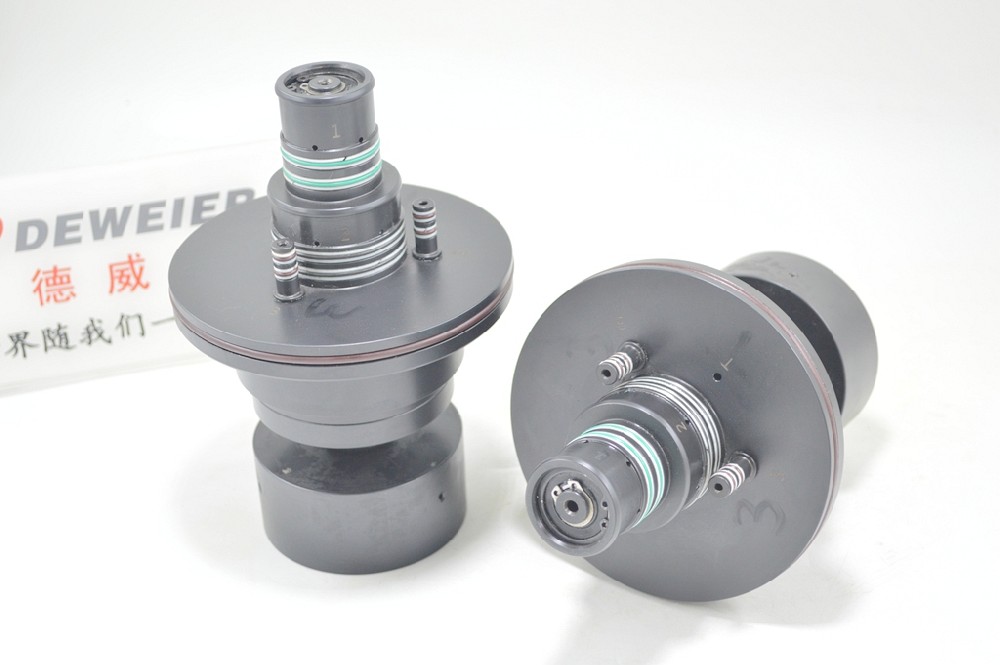
High-precision rotary joint
Standards, system certification and type approval are three different things. Keep them apart.
National and machinery industry standards define test methods for rotary joints: how to ramp pressure, how long to hold it, what leakage counts as acceptable. The useful place for those clauses is the purchase contract. Test the goods against the clause, accept or reject, and the room for argument shrinks.
A line in a catalog saying "complies with national standards" says nothing. Standards work when they are executed.
We passed ISO 9001 certification in 2013. It says drawings, purchasing, machining and final inspection follow a controlled, documented, traceable process. It does not say a given unit will never leak. Unit quality still comes down to the factory test and the material certificate.
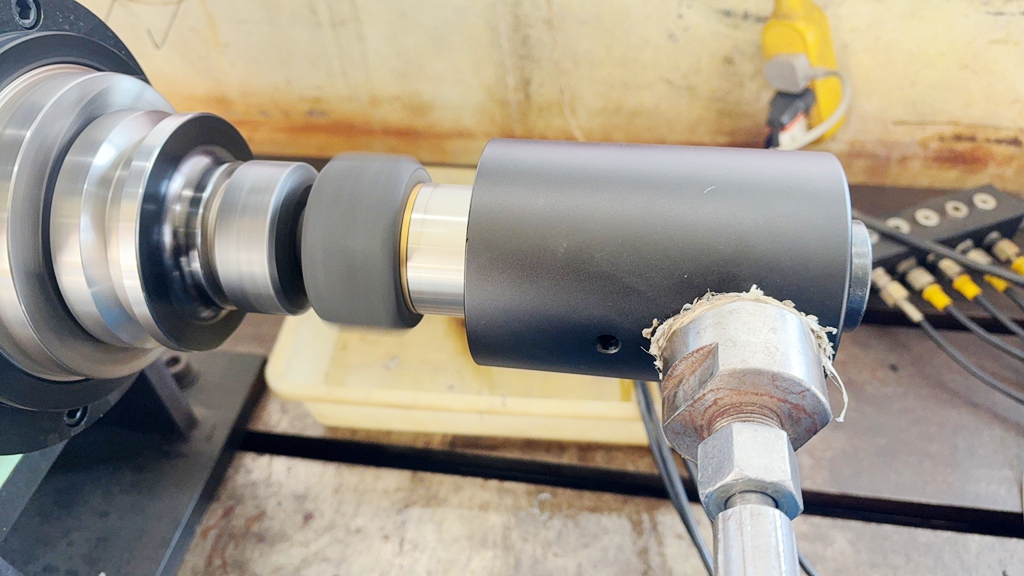
Rotary joint testing
For buyers it matters in batches and traceability: across several hundred units, controlled process means this batch matches the last one; when something goes wrong, records point to the step. For a two-piece order it adds little.
We obtained CCS (China Classification Society) type approval in 2017. In the marine survey system, parts fitted on board pass type testing, and the approval covers the tested model, not the whole range. When an owner or shipyard specifies CCS parts, check the approved model scope before ordering; sizes outside that scope need separate discussion.
Non-marine buyers do not need this certificate. Paying extra for a certificate you will never use is wasted cost.
Every unit passes a pressure test at 1.25 times its maximum working pressure, held for 30 minutes. Pressure drop or external leakage beyond limits means no shipment. Units rated for speed also get a 2-hour run-in: listening for noise, watching temperature rise, checking for weeping.
To re-verify on arrival, you do not need 138 MPa. Test at 1.25 times your actual working pressure and watch the seal faces under static pressure. Alignment causes more failures than pressure; a poorly aligned unit will leak even after a clean test.
Write test methods and acceptance values into the contract, not just "per standards". If you want ISO 9001, ask what scope the certificate covers; if you need CCS, match the model. Keep arrival inspection records so a batch problem has evidence to stand on.
See the rotary joint series and custom designs for details.
Related: how to pick seal face materials · thermal oil rotary joints on hot rollers
11-17,2026
GB/T and JB/T test methods belong in acceptance clauses. ISO...
11-13,2026
Graphite, silicon carbide and filled PTFE faces wear in very...


